
Hardwood floors can last for decades, but even well-maintained flooring eventually starts showing signs of wear. Scratches, dull finishes, discoloration, stains, and damaged boards can make an otherwise beautiful floor look tired. When that happens, homeowners often wonder whether they should refinish the existing floor or replace it completely.
The good news is that many worn hardwood floors do not need to be replaced. Hardwood floor refinishing can often restore the appearance of an older floor by removing the damaged surface, addressing imperfections, and applying a fresh protective finish.
However, refinishing is not the right solution for every floor. The condition, thickness, construction, and type of damage all matter. This guide explains how to determine whether your hardwood floors are good candidates for refinishing or whether replacement may make more sense.
What Does Hardwood Floor Refinishing Involve?
Hardwood floor refinishing is a process used to restore the appearance and protective surface of existing wood flooring. Depending on the condition of the floor, the process may include:- Preparing and inspecting the flooring
- Sanding away the existing finish and surface imperfections
- Removing scratches and areas of discoloration
- Repairing suitable damaged areas
- Applying stain when a different color is desired
- Adding a new protective finish
- Allowing the floor to cure before normal use
7 Signs Your Hardwood Floors May Need Refinishing
1. The Finish Looks Dull or Worn
One of the most common signs is a floor that has lost its original shine. Areas with frequent foot traffic may appear noticeably different from less-used parts of the room. A worn finish does not necessarily mean the wood itself is damaged. If the boards underneath remain in good condition, refinishing may restore a more consistent appearance.2. Your Floors Have Surface Scratches
Small and moderate scratches are common in homes with pets, children, furniture, and regular foot traffic. If scratches are primarily affecting the finish and upper surface of the flooring, sanding and refinishing may be enough to improve the appearance. Deeper damage may require additional repairs before the finishing process begins.3. The Floor Has Lost Its Original Color
Sun exposure, aging, cleaning products, and everyday wear can gradually change the appearance of hardwood flooring. Some boards may become lighter or darker than others, while areas covered by rugs or furniture may retain a noticeably different shade. Refinishing can provide an opportunity to create a more uniform appearance and, when appropriate, change the stain color.4. There Are Minor Stains or Surface Discoloration
Spilled liquids and other substances can leave marks on hardwood flooring. Some stains affect only the surface finish, while others penetrate deeper into the wood. A professional evaluation can help determine whether sanding and refinishing can address the discoloration or whether the affected boards require replacement.5. High-Traffic Areas Look Different From the Rest of the Floor
Hallways, entryways, living rooms, and other heavily used areas often show wear before the rest of the floor. You may notice faded paths, dull sections, or differences in sheen between rooms. If the underlying hardwood remains healthy, refinishing can help restore a more consistent appearance.6. The Finish Is Starting to Wear Through
When the protective coating becomes extremely thin or worn, the exposed wood can become more vulnerable to moisture, staining, and everyday damage. Refinishing the floor before significant deterioration occurs may help restore its protective surface and improve its appearance.7. You Want to Change the Look of Your Existing Floors
Refinishing is not only about repairing damage. It can also be a way to update the appearance of an existing hardwood floor. Depending on the wood and its condition, homeowners may choose a different stain color or finish to create a lighter, darker, warmer, or more contemporary look.When Should You Consider Replacing Hardwood Floors?
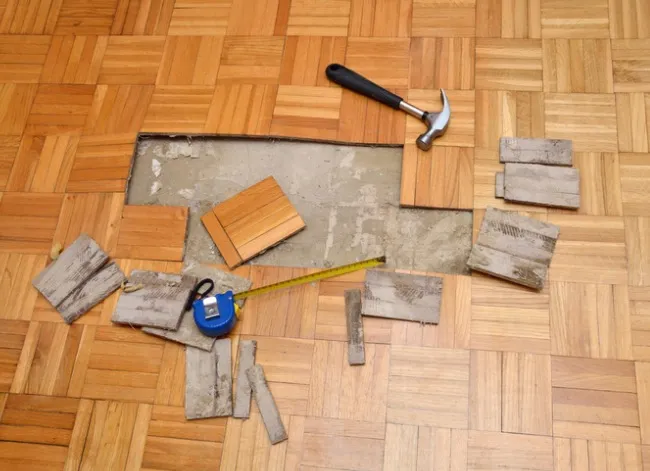
Refinishing is not always the best answer. Replacement may be more appropriate when the flooring has extensive structural problems. Consider professional evaluation for replacement if you notice:- Severely damaged or missing boards
- Extensive wood rot
- Significant water damage
- Deep structural cracks
- Major buckling or warping
- Serious termite or insect damage
- Flooring that has already been sanded extensively
- Areas where the wood has become too thin for another refinishing cycle
Can Deep Scratches Be Removed by Refinishing?
It depends on how deep the scratches are. Surface-level scratches can often be removed during the sanding process. Deeper scratches that extend significantly into the wood may require additional repair or replacement of individual boards. This is why it is important not to judge the floor solely by looking at the scratches. A flooring professional can inspect the affected areas and determine how much material can safely be removed during refinishing.Can Water-Damaged Hardwood Floors Be Refinished?
Water damage requires a closer inspection. If moisture has only affected the finish or caused limited discoloration, refinishing may be possible after the underlying issue has been corrected. However, prolonged moisture exposure can cause boards to swell, warp, buckle, separate, or develop other problems. In those situations, simply sanding the floor may not solve the underlying damage. Before refinishing water-damaged flooring, the source of the moisture should be addressed and the condition of the wood evaluated.How Often Should Hardwood Floors Be Refinished?
There is no universal schedule for refinishing hardwood floors. The appropriate timing depends on the type of wood, finish, household traffic, maintenance habits, pets, furniture, and previous refinishing work. Instead of refinishing simply because a certain number of years have passed, look at the actual condition of the floor. If the finish has become significantly worn, the surface has accumulated scratches, or the floor no longer has the appearance you want, it may be time to have it evaluated.Does Refinishing Change the Color of Hardwood Floors?
It can. When hardwood floors are refinished, homeowners may have the opportunity to change the stain color, depending on the wood species and desired result. For example, an older dark floor may be updated with a lighter-looking stain, while a faded floor may be given a richer tone. The final result depends on the existing wood, previous coatings, sanding process, stain selection, and finish. It is a good idea to discuss color expectations before work begins.What Is the Difference Between Refinishing and Replacing Hardwood Floors?
The biggest difference is that refinishing preserves the existing hardwood, while replacement removes the existing flooring and installs new material.Refinishing may be better when:
- The existing boards are structurally sound
- Most damage is on the surface
- You like the existing flooring
- You want to update the color or finish
- You want to avoid removing otherwise usable hardwood
Replacement may be better when:
- The boards have extensive structural damage
- Large portions of the flooring are severely warped
- There is widespread rot or insect damage
- The existing material cannot safely be refinished
- You want a completely different flooring material or layout