
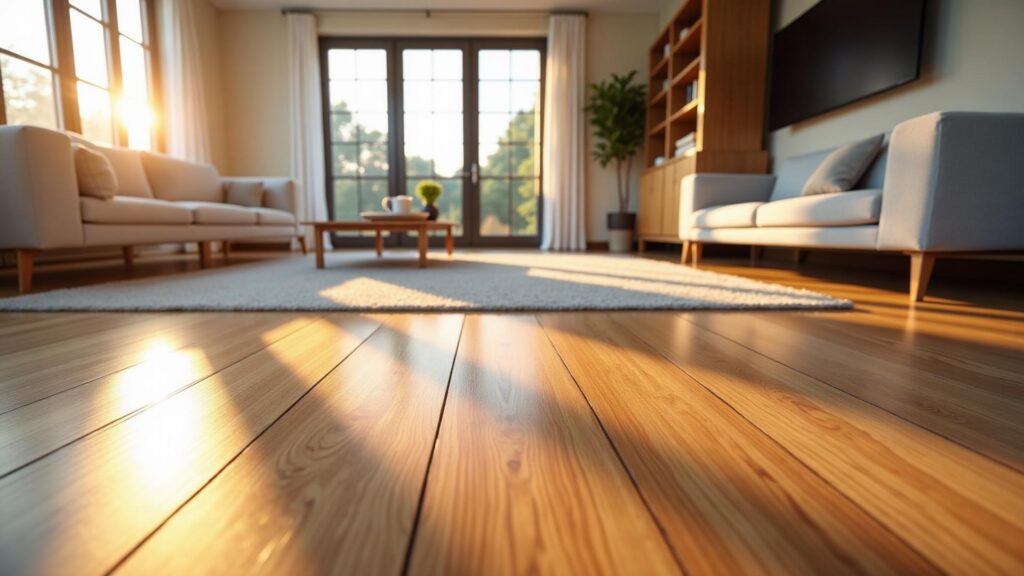
Hardwood floors can remain attractive for many years when they receive the right care. Unlike carpet or some synthetic flooring materials, hardwood requires a maintenance routine that protects both the wood and the finish covering its surface.
The good news is that maintaining hardwood flooring does not have to be complicated. Regular dust removal, careful cleaning, quick spill cleanup, and a few simple habits can help reduce unnecessary scratches and wear.
This guide explains how to clean and maintain hardwood floors, what common mistakes to avoid, and when regular maintenance may no longer be enough to restore the appearance of an aging floor.
Why Regular Hardwood Floor Maintenance Matters
Everyday dirt may seem harmless, but small particles of sand, dust, and grit can become abrasive when repeatedly walked across the floor. Over time, this can contribute to scratches and wear on the protective finish. Moisture is another concern. Excess water can work into seams and unfinished areas of wood, potentially contributing to swelling, discoloration, or other moisture-related problems. A consistent maintenance routine helps address these issues before they become bigger problems.How Often Should You Clean Hardwood Floors?
There is no single cleaning schedule that works for every home. High-traffic areas generally need attention more frequently than rooms that are rarely used. A practical routine can include:- Removing visible dirt and debris regularly
- Dusting or vacuuming high-traffic areas frequently
- Cleaning spills as soon as they happen
- Using a suitable hardwood-floor cleaner when deeper cleaning is needed
- Checking the floor periodically for scratches, worn areas, and other damage
Step 1: Remove Dust and Loose Dirt
Start with dry cleaning before using any liquid cleaner. Use a soft microfiber dust mop, soft-bristle broom, or vacuum designed for hard floors. Removing loose dirt first reduces the chance of dragging abrasive particles across the flooring during the next cleaning step. If you vacuum, make sure the attachment is appropriate for hardwood. Avoid tools that can scratch or aggressively contact the finish.Step 2: Clean Spills Quickly
Accidental spills are part of everyday life, but allowing liquid to remain on hardwood for an extended period can create unnecessary problems. When something spills, wipe it up promptly with an appropriate soft cloth. Pay particular attention to:- Water
- Drinks
- Pet accidents
- Cleaning solutions
- Food and sauces
- Other liquids that could stain the surface
Step 3: Use a Damp, Not Soaked, Mop
When your floor requires more than dusting or vacuuming, use a cleaning method appropriate for the flooring and finish. A microfiber mop that is only lightly damp is generally preferable to saturating the floor with water. Excess moisture can damage wood flooring over time. Never leave standing water on hardwood floors. If your mop is dripping water onto the floor, it is too wet.Step 4: Choose a Cleaner Made for Hardwood Floors
Not every household floor cleaner is appropriate for hardwood. Before using a product, check the manufacturer’s recommendations for your flooring and its finish. A product designed specifically for hardwood can help reduce the risk of leaving residue or damaging the protective surface. Avoid experimenting with strong household chemicals simply because they are effective on other surfaces. If you are unsure what cleaner is appropriate, ask your flooring professional or check the recommendations provided with your flooring or finish.Should You Use Vinegar on Hardwood Floors?
Vinegar is a common DIY cleaning suggestion, but homeowners should be cautious about using homemade acidic solutions on finished hardwood floors. The safest approach is to follow the cleaning recommendations for your particular flooring and finish rather than assuming a household ingredient is automatically suitable. Using too much liquid or an inappropriate cleaning solution can dull or damage the finish over time.Avoid Steam Mops on Hardwood Floors
Steam cleaning may seem like an easy way to deep-clean a floor, but heat and moisture can be problematic for wood flooring. Many flooring-care professionals recommend avoiding steam mops on hardwood because moisture and heat can potentially affect the wood and its finish. Instead, use a cleaning method specifically recommended for your hardwood flooring.How to Prevent Scratches on Hardwood Floors
Preventing damage is easier than dealing with extensive scratches later.Use Furniture Pads
Place felt or suitable protective pads beneath furniture legs. This can reduce the risk of scratches when furniture moves slightly during everyday use.Lift Furniture Instead of Dragging It
When moving a chair, table, sofa, or other heavy object, avoid dragging it directly across the floor. Even a small amount of grit underneath furniture can create visible marks.Keep Pet Nails Trimmed
Pets can contribute to scratches, particularly in areas where they frequently run, turn, or jump. Keeping nails properly trimmed can help reduce unnecessary wear.Consider Removing Outdoor Shoes
Shoes can bring sand, grit, and other abrasive debris into the home. Using entry mats and removing outdoor footwear can help reduce the amount of dirt that reaches hardwood flooring.Use Mats at Entryways
Place suitable mats near exterior doors to capture dirt and moisture before they reach your hardwood floors.How to Protect Hardwood Floors From Sunlight
Natural light can make a room look brighter, but prolonged exposure can gradually affect the appearance of some wood flooring and finishes. Large windows and areas receiving strong direct sunlight may experience more noticeable changes over time. Depending on the room, you can reduce exposure by using:- Curtains
- Blinds
- Window shades
- UV-filtering window treatments
What Cleaning Mistakes Damage Hardwood Floors?
Some of the most common hardwood-care mistakes include:Using Too Much Water
Wood flooring should not be saturated during routine cleaning. Excess moisture can create problems, particularly if it enters seams or damaged areas.Using Abrasive Tools
Hard brushes, rough scrubbers, or inappropriate vacuum attachments can scratch the finish.Using the Wrong Cleaning Product
A cleaner designed for tile, vinyl, or another flooring material may not be appropriate for hardwood.Dragging Heavy Furniture
Furniture can leave scratches and dents when dragged across the floor.Ignoring Small Spills
Leaving liquids on the surface longer than necessary increases the risk of staining or moisture-related damage.Waiting Until Dirt Builds Up
Allowing grit and debris to accumulate means more abrasive material is being walked across the floor. Regular light maintenance is generally easier than trying to remove months of accumulated dirt at once.How to Deal With Minor Hardwood Floor Scratches
Not every scratch requires professional refinishing. Very light marks may only affect the finish, while deeper scratches can reach into the wood itself. The appropriate repair depends on the depth and extent of the damage. For small isolated marks, avoid immediately applying random household products or sanding the area yourself. If scratches are widespread, deep, or becoming increasingly visible, professional evaluation can help determine whether the floor needs a more extensive restoration.When Does Hardwood Floor Maintenance Become Refinishing?
Regular cleaning can keep a healthy finish looking good, but cleaning cannot reverse every type of wear. You may want to consider professional hardwood floor refinishing when you notice:- Widespread surface scratches
- A dull or heavily worn finish
- Significant discoloration
- High-traffic areas that look substantially different
- Staining that normal cleaning cannot remove
- A finish that has worn through in certain areas
- An overall appearance that remains tired despite proper cleaning
How to Maintain Hardwood Floors in High-Traffic Areas
Certain areas naturally experience more wear than others. Entryways, hallways, kitchens, living rooms, and frequently used paths may require additional attention. You can help protect these areas by:- Vacuuming or dusting them regularly
- Using appropriate entry mats
- Cleaning spills promptly
- Using furniture pads
- Keeping abrasive dirt under control
- Inspecting the finish periodically
Should You Polish Hardwood Floors?
Polishing is not automatically necessary for every hardwood floor. The correct maintenance method depends on the type of finish installed on the flooring. Some floors may benefit from specific maintenance products, while others may not be suitable for certain polishing treatments. Using too much product can create buildup and change the appearance of the floor. Before applying a polish, refresher, wax, or similar product, check the recommendations for your particular finish.How to Keep Hardwood Floors Looking New
The best long-term strategy is prevention. A simple routine can make a significant difference:- Remove dirt and grit regularly.
- Clean spills immediately.
- Use suitable hardwood-floor cleaning products.
- Avoid excessive water.
- Protect furniture legs.
- Keep pet nails maintained.
- Use mats near entrances.
- Avoid abrasive cleaning tools.
- Protect areas exposed to heavy sunlight.
- Address scratches and finish wear before they become widespread.